Published:2026-08-05
Keywords:Nano Banana Pro, Nano Banana, Nano Banana official website, food photography, restaurant menu, nanobanana prompts
People who run restaurants, cafés, or delivery brands often get stuck on “the dish photos look bad”: phone snapshots turn gray or oily and overexposed; hiring a commercial food photographer is expensive, and every weekly new dish needs a reshoot. Menu PDFs, delivery-app covers, and social “visit” posts end up in mismatched styles — users do not feel “this looks delicious” at first glance.
Among the capabilities on the Nano Banana official website, Nano Banana is ideal for quickly testing plating and background mood, while Nano Banana Pro is better at cleaning up dish subject, vessel edges, and appetite lighting, and keeping one store’s visual identity consistent. I use this workflow for small and mid-size restaurants to ship “menu-ready” hero images — from uploading a phone dish photo to exportable output, usually in 10–20 minutes.
This is a brand-new food menu & restaurant product photography deep-dive (different from past e-commerce lifestyle, real-estate virtual staging, professional headshots, video thumbnails, or poster infographic topics). Full prep checklist, four-step workflow, three prompt templates, appetite lighting tips, three case breakdowns, and a pitfalls table.
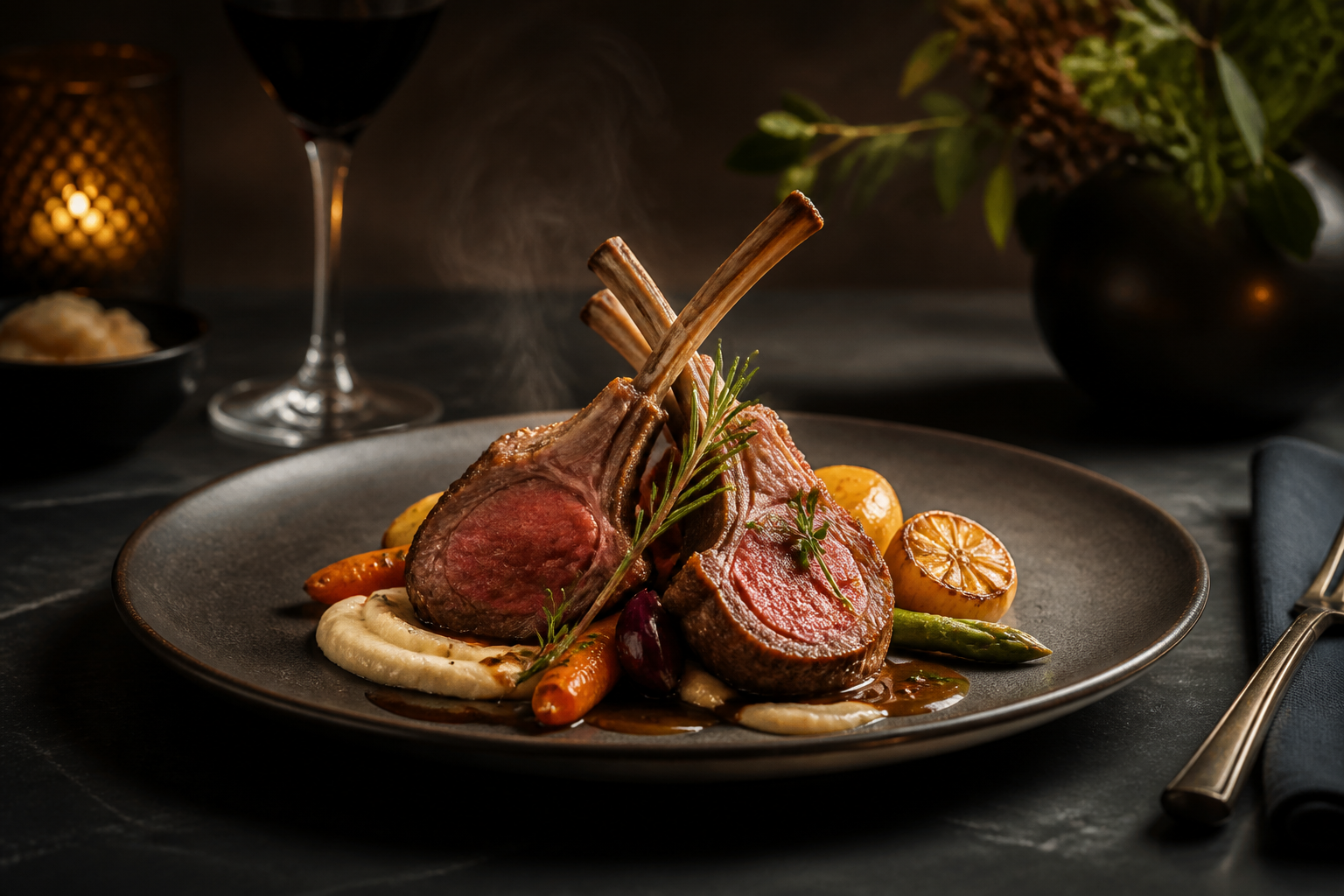
1. Why use Nano Banana / Nano Banana Pro for food and menu photos?
Nano Banana standard is ideal for “try 5 background and plating moods first”; when you need recognizable ingredients, realistic sauce texture, and undistorted vessels, switch to Nano Banana Pro:
| Capability | Phone direct / basic filter | Nano Banana / Nano Banana Pro |
|---|---|---|
| Appetite lighting | Top light goes gray or flash blows white | Natural language for “side backlight / warm window light” |
| Background consistency | Every table looks different | Fixed table material and palette — series menus stay unified |
| Local cleanup | Hard to fix oil stains and clutter in frame | Local declutter and subject lift while keeping dish identity |
| Multi-channel specs | Manual crop warps the plate | 1:1 delivery cover / 3:4 menu / 16:9 poster |
| Revision speed | Reshoot a whole pan of food | “Darker background, softer steam” conversational iterate |
The core difference: in the workflow on the Nano Banana official website, a menu photo is not “slap on a filter” — it is a reusable restaurant visual asset.
2. Asset prep checklist (what decides whether it “looks like that dish”)
Before opening Nano Banana or Nano Banana Pro, prepare:
- Dish reference photo (required): Subject clear, minimal occlusion — viewers must recognize which dish it is
- Vessel info (recommended): Bowl/plate color, whether it has a logo — if keep, write it into preserve
- Style direction (required): Japanese clean, Chinese wok fire, Western fine dining, café dessert — pick only one
- Use cases: Dine-in menu, delivery cover, visit social posts, store poster
- Platform specs: Delivery often 1:1; menu booklet 3:4 or 4:3; landscape poster 16:9
- Negative constraints: Do not swap to another dish; no fake Michelin badges; no watermark/garbled text; no plastic fake-food look
Tip: Learn the difference between Nano Banana and Nano Banana Pro on the Nano Banana official website, then upload dish photos in the web app. Larger subject and cleaner background make small menu crops more appetizing.
3. Four-step workflow (phone dish → publishable hero)
Step 1: Enter Nano Banana Pro and lock dish identity
- Open Nano Banana web app
- Use Nano Banana to explore mood; prioritize Nano Banana Pro for final menu images
- Upload the dish photo; write clearly in the prompt:
preserve the exact dish identity, ingredients and plating structure 100%
Step 2: Choose a food template
Three complete prompts below:
- Template A: Dine-in menu hero (3:4, clean tabletop, appetizing side light)
- Template B: Delivery / quick-commerce square cover (1:1, subject centered, high appetite CTR)
- Template C: Brand restaurant landscape poster (16:9, negative space for store name)
Step 3: Five checks before publishing
- Can customers recognize the menu dish at a glance (no “dish swap”)?
- Are sauces and sear marks realistic (reject plastic look)?
- Are vessel edges intact and undistorted?
- Are color temperature and table material unified across the series?
- Any watermark, garbled text, extra fingers, or dirty spots?
Step 4: Natural-language iteration + export by channel
Common instructions:
- “Keep the dish unchanged; swap background to dark slate; warmer side light”
- “Remove table clutter and chopsticks; leave only the plate”
- “Soften the steam a bit; emphasize sear texture”
- “Export 1:1, 4K, Nano Banana Pro”
4. Prompt Template A: Dine-in menu hero
Replace 【】 placeholders with your content, then paste the full block into Nano Banana Pro:
Restaurant menu hero food photo, 3:4 portrait crop.

Dish lock: preserve the EXACT dish from the uploaded reference — ingredients, plating structure, garnish placement and bowl/plate shape 100%. Do not replace with a different meal.

Styling: appetizing commercial food photography on 【深色石板 / 浅木桌 / 亚麻桌布】; remove clutter; keep one hero plate centered or rule-of-thirds.

Lighting: soft side light or window light, warm appetite-friendly color; gentle steam optional for 【热菜】 only; realistic oil sheen, not plastic.

Style: Fine-casual restaurant menu look, Nano Banana Pro food fidelity, photoreal, print-ready.

Negative constraints: no fake Michelin badges, no watermark, no garbled text, no melted plate edges, no ingredient swap.

Output: 3:4, 4K, Nano Banana Pro menu photo.
Usage
- Upload a phone-shot dish photo
- Fill table material and whether it is a hot dish
- Shrink to menu thumbnail size — is the subject still recognizable?
- Iterate: “cleaner background” / “warmer color temperature”
5. Prompt Template B: Delivery square cover
Food delivery app cover, square 1:1, high appetite CTR.

Identity: keep the same dish as reference 100% (Nano Banana Pro recommended for sauce and texture).

Composition: dish large and centered for small mobile thumbnails; simple dark or brand-color seamless background; minimal props (one spoon or napkin max).

Look: bright, juicy, clean — optimized for 【美团/饿了么/自有小程序】 style feeds.

Lighting: softbox-like even light with slight specular on sauces; no harsh flash blowout.

Negative constraints: no busy table clutter, no price stickers, no watermark, no text unless requested separately.

Output: 1:1, high resolution, Nano Banana or Nano Banana Pro delivery cover.
For delivery, “subject large enough” matters more than “scene storytelling”; tiny thumbnails cannot carry a complex plating story.
6. Prompt Template C: Brand restaurant landscape poster
Restaurant brand food poster banner, 16:9.

Hero dish: preserve dish identity from reference 100%; place subject on the LEFT or RIGHT third; leave clean negative space on the opposite side for future store name/title.

Environment hint: 【开放式厨房虚化 / 温馨用餐角落 / 极简深色背景】 matching brand mood 【烟火气 / 精致 / 咖啡休闲】.

Style: Campaign-ready food visual, Nano Banana Pro consistency with menu set, cinematic soft light.

Negative constraints: no unreadable tiny text baked in, no watermark, no different dish, no overcrowded props.

Output: 16:9, 4K, Nano Banana Pro.
Landscape posters and menu heroes share the same dish-identity library — store posters and ordering pages will feel like “one brand.”
7. Appetite lighting & plating tips (food-specific)
In Nano Banana / Nano Banana Pro prompts, lock these rules:
- Open with dish lock:
preserve exact dish identity 100% - Change one class per round: Do not heavily alter background + lighting + declutter together
- Gentle steam only for hot dishes — never add steam to cold dishes / desserts
- Series anchors: Fix one table material and color temperature across the full menu
- Thumbnail first: For 1:1 delivery, let the plate occupy 60%+ of the frame
- Reject plastic look: Write
realistic texture, natural oil sheen, no plastic food look
Append these as “Food rules: …” at the end of your prompt — menu series stay much more stable.
8. Three real case breakdowns
Case 1: Home-style stir-fry phone shot → print-ready menu hero
- Goal: Top light gray; cluttered table
- Flow: Template A + dark slate + preserve dish
- Result: Nano Banana Pro kept dish structure; background usable in one pass
Case 2: Dessert delivery cover with low CTR
- Goal: Cake too small in 1:1 thumbnail
- Flow: Template B — enlarge subject, solid-color background
- Result: Cream layers clearer on small screens; cover more “tap-worthy”
Case 3: Chain café new-item banner unified with menu
- Goal: Poster and ordering page showed different cups
- Flow: Same reference through Templates A + C with shared identity lock
- Result: Brand visuals consistent; still recognizable as that SKU
9. Common mistakes & how to avoid them
| Common mistake | Why it fails | How Nano Banana avoids it |
|---|---|---|
| Prompt only says “more delicious” | Easily swaps to another dish | Explicitly preserve dish identity 100% |
| Randomly add lobster / abalone | Big gap vs in-store reality | Do not add mains absent from the reference |
| Steam too heavy | Hides the plating | “Softer steam” or disable steam for cold dishes |
| Different color temp per dish | Menu looks like a collage | Fix table and lighting description |
| Vessel logo melts | Weak brand feel | Pro + preserve plate/logo |
| Finalize menu on standard | Edges and sauces blur easily | Finalize on Nano Banana Pro |
10. Nano Banana vs Nano Banana Pro — which to pick
| Scenario | Recommended | Why |
|---|---|---|
| Try 5 tabletops / moods | Nano Banana | Fast exploration |
| Print / PDF menu final | Nano Banana Pro | Texture and edges more stable |
| Delivery 1:1 cover | Nano Banana Pro | Thumbnail clarity matters more |
| Brand landscape poster | Nano Banana Pro | Better composition and consistency |
| Daily new-item drafts | Nano Banana | Direction first, then Pro polish |
11. Quick start in three steps
- Open Nano Banana official website to learn the product, enter the web app, and upload a clear dish photo
- Copy Template A or B, fill style and background, stress
preserve exact dish identity 100% - Iterate with short instructions, then export 1:1 / 3:4 / 16:9 menu and poster sets
12. Closing thought
The essence of restaurant visuals is not “Photoshop the dish into something unrecognizable” — it is making users feel appetite on screen and still recognize the dish when they arrive. Explore mood with Nano Banana, lock dish and lighting and export by channel with Nano Banana Pro, and on the Nano Banana official website in one workflow you can turn phone dish shots into publishable menu assets.